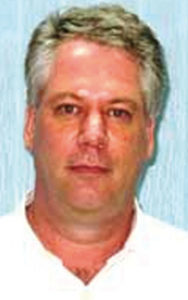
SWEETLAND, BEN

Rani Mukherjee Nude Fake Picture Apr 2026

rani mukherjee nude fake picture

Ben Sweetland trabajó la mayor parte de su vida en la Costa Oeste de Estados Unidos como psicólogo clínico, logrando gran fama como autor de la columna The Marriage Clinic, que aparecía en docenas de periódicos por todo el país. Fue también un conferenciante muy aclamado, lo que le obligó a viajar continuamente a fin de impartir sus charlas. Entre sus obras de psicología popular, además del presente libro, están: I Can (Yo puedo), I Will (Yo quiero).

Rani Mukherjee Nude Fake Picture Apr 2026

In the materials section, think about the interactive aspects. For instance, visitors could create their own counterfeit fashion items using the provided materials, then see their creations in a digital display altering Mukherjee's image. This hands-on approach would engage the audience actively.

Finally, the conclusion should tie together how the gallery serves as a microcosm of larger issues in the fashion world, prompting viewers to reconsider their role in the cycle of production and consumption. Emphasize that the gallery isn't just about Rani Mukherjee but a broader exploration of identity and authenticity in modern times. rani mukherjee nude fake picture

Also, consider mentioning how globalization and digital culture influence fashion's perception of authenticity. The gallery could showcase how digital platforms spread fake fashion trends and the implications of that. Maybe include examples of how counterfeit goods mimic luxury items to comment on societal values. In the materials section, think about the interactive

First, I should define what exactly the gallery is about. It's a fictional project exploring the intersection of authenticity in fashion, perhaps through the lens of Rani Mukherjee, but since the name is fake, it's an artistic critique. The themes should touch on authenticity vs. imitation, identity in fashion, and the role of media in shaping perceptions. Finally, the conclusion should tie together how the

I should structure the paper with an introduction, sections on themes, materials, audience impact, and critical analyses. Conclude with the gallery's significance in contemporary discussions about fashion and authenticity. Make sure to cite some real theorists or critics to ground the analysis.

In the materials section, think about the interactive aspects. For instance, visitors could create their own counterfeit fashion items using the provided materials, then see their creations in a digital display altering Mukherjee's image. This hands-on approach would engage the audience actively.

Finally, the conclusion should tie together how the gallery serves as a microcosm of larger issues in the fashion world, prompting viewers to reconsider their role in the cycle of production and consumption. Emphasize that the gallery isn't just about Rani Mukherjee but a broader exploration of identity and authenticity in modern times.

Also, consider mentioning how globalization and digital culture influence fashion's perception of authenticity. The gallery could showcase how digital platforms spread fake fashion trends and the implications of that. Maybe include examples of how counterfeit goods mimic luxury items to comment on societal values.

First, I should define what exactly the gallery is about. It's a fictional project exploring the intersection of authenticity in fashion, perhaps through the lens of Rani Mukherjee, but since the name is fake, it's an artistic critique. The themes should touch on authenticity vs. imitation, identity in fashion, and the role of media in shaping perceptions.

I should structure the paper with an introduction, sections on themes, materials, audience impact, and critical analyses. Conclude with the gallery's significance in contemporary discussions about fashion and authenticity. Make sure to cite some real theorists or critics to ground the analysis.