ABOUT US
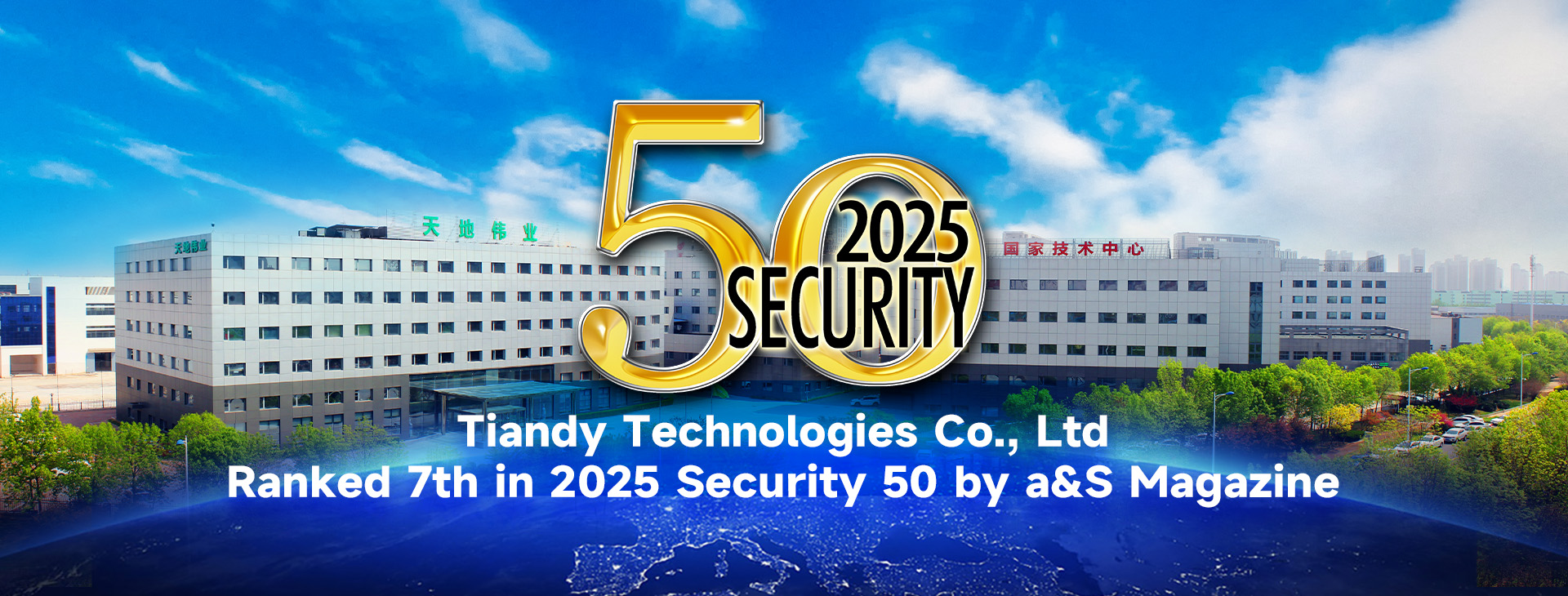
Founded in 1994, Tiandy is ranked No.7 in the surveillance field. Tiandy integrates AI, big data, cloud computing, IoT, and cameras into people-centric intelligent solutions. With more than 3,000 employees, Tiandy has over 80 branches and support centers at home and abroad. With a strong and capable R&D team as the core, we have a 1,000-person research institute in headquarters. Tiandy has participated in drafting 26 national industry standards and applied for more than 900 patents and software copyrights, also successively put forward the concepts of "Starlight" and "Polar Day" and continues to research and develop several competitive new products, such as the "AK Series", "Polar Day Series", "Omni-directional Series" and so on. In addition, Tiandy has built a 40,000 square metres intelligent security industry base. Fortified by our advanced SMT production line and strict quality control system, we are able to provide 10 million units with lower than 0.1% defect rate per year.
The modern transgender rights movement is often attributed to the courageous actions of Christine Jorgensen, a trans woman who made headlines in 1952 for undergoing sex reassignment surgery in Denmark. Her story sparked a national conversation about trans identities and helped lay the groundwork for future activism.
The ball culture of the 1970s and 1980s, which emerged in African American and Latino communities, provided a safe space for trans and queer individuals to express themselves through voguing, runway, and other forms of performance. This culture was immortalized in the 1990 film "Paris is Burning" and continues to inspire new generations.
The 1970s and 1980s saw a growing recognition of transgender identities, with the establishment of organizations like the Tiffany Club (1970) and the Tri-Ess (1976). These groups provided vital support networks for trans individuals, who often faced rejection and isolation from their families and communities.
The transgender community and LGBTQ culture have undergone significant transformations over the years, shaped by struggles, triumphs, and a relentless pursuit of equality and acceptance. From the early days of activism to the present, the community has grown, evolved, and become more visible, paving the way for a more inclusive and diverse society.
LGBTQ culture has played a vital role in shaping the experiences of trans individuals, providing a sense of belonging and connection. From drag balls to Pride parades, queer culture has long celebrated self-expression and creativity.
Moving forward, it's crucial to prioritize intersectionality, inclusivity, and equity in advocacy efforts. By centering the voices and experiences of marginalized communities, we can build a more just and compassionate society for all.
The story of the transgender community and LGBTQ culture is one of resilience, hope, and determination. From the early days of activism to the present, the community has grown, evolved, and become more visible. As we look to the future, it's essential to continue celebrating diversity, promoting inclusivity, and advocating for the rights and dignity of all individuals, regardless of their gender identity or expression.
The 1990s witnessed a significant shift with the introduction of the concept of "gender identity" into mainstream discourse. This development helped to raise awareness about the complexities of trans experiences and paved the way for greater understanding and acceptance.
As the transgender community and LGBTQ culture continue to evolve, it's essential to acknowledge the intersecting identities and experiences that shape individual lives. Trans people of color, trans women, and trans men all face unique challenges and barriers.
Despite progress, the transgender community continued to face significant challenges. High rates of violence, homelessness, and mental health issues persisted, with many trans individuals struggling to access basic healthcare and social services.