She’d stumbled into Eng Echicra by accident. It was supposed to be nothing more than a niche crafting sim tucked under sections of algorithmic recommendations: “ecchi craft,” a tag that wavered between tongue-in-cheek and earnest fanservice, and a mod scene thick with midnight ideas. What she found instead was a place that breathed. The world of Eng Echicra had been built from whim and devotion: tinkered machines, paper-thin ruins, and the constant hum of players inventing workarounds for obstacles the original designers had left half-finished. The crafting system rewarded curiosity — you combined fragments of lore and scraps of code to make tools that reshaped the map. The community called it “craft” like a small, sacred verb.
R Better’s most extraordinary legacy was not code but consequence. The update encouraged improvisation and rewarded patience. Players learned to listen to the game in new ways — to feel the cadence of a world that had been designed to surprise. Developers, watching the emergent culture bloom around their modest additions, began to reach back: small notes in patch logs that read like personal letters, secret files that, when found, contained sketches and apologies and the occasional inside joke. The line between creator and player blurred into a conversation.
The new spaces pushed players to become narrators. Items were not simply tools but carriers of voice — a broken radio that replayed a player’s first steps into the world, a sewing kit that stitched together the endings of abandoned side quests into new, unexpected arcs. The “ecchi” tag, which had once meant a wink and a palette of jokes, softened into something less categorical and more human: messy, imperfect desire for connection, folded under deadlines and mod conflicts. The community’s tone shifted. There were still loud debates, as always, about balance and intent. But alongside those debates were living rooms of players who met in-game to show one another what they’d found and what they’d sewn together. eng echicra ecchi craft dlc rj434109 r better
Mara learned by patience. She traded idle hours for tiny rewards: a spool of filament that made translucent wings, a shard of glass that, when mounted on a crafting rig, made distant whispers audible. Other players called these gifts bugs. Some complained that the update had broken treasured equilibrium. But the best of them — the ones who treated the world as a collaborator rather than a scoreboard — began to write new myths.
They called it RJ434109 in the changelog, a sterile string of letters and numbers that meant little to most players. For Mara, though, it arrived like thunder over a quiet town — an update that promised to stitch together fragments she didn’t yet know were missing. She’d stumbled into Eng Echicra by accident
There was a sequence, whispered in the forums and passed as code-poems, that required a particular order of creation. First: a tool to solder memory into cloth. Second: a lamp made of discarded dialogue. Third: the insertion of a who-knows-where string — the one labelled RJ434109 — into a hollowed chest. It read like ritual, and when Mara followed it, the game folded in on itself like a map turned inside out. Rooms that had been purely decorative opened into archives of player-made stories: chat logs stitched into wallpaper, abandoned blueprints hanging like tapestries, the delicate graffiti-scratches of other crafters laid bare.
On a slow Thursday night, Mara crafted a small lantern from filament and old chat transcripts, lit it, and placed it in a corridor no one had cared to walk for months. A new player, guided by the faint glow, entered and read the patch notes pinned on the wall. She smiled at the phrase “R Better” — and then, without looking away, added her own scrap: a doodle, a joke, a tiny apology tucked beneath the technical string RJ434109. The world accepted it and, for a heartbeat, grew larger. The world of Eng Echicra had been built
Months later, players still spoke of RJ434109 the way sailors speak of a landmark fog-bound port: with reverence and a little superstition. Newcomers were guided through the old rituals, not as rigid rules but as invitations. The effect of the DLC was cumulative, a slow accretion of meaning: what began as a terse, technical fix had become a hinge. It improved mechanics, yes, but it did something more radical — it taught a scattered community the value of attention.
Then the DLC landed: “R Better.” The patch notes were inscrutable: small-bore fixes, a handful of new assets, and a cryptic line about “safeguarding emergent behavior.” The update didn’t boast flashy weapons or shiny achievements. Instead, it pried open corners of the world nobody had been invited into. Paths that had been invisible for months now glowed with a soft, interstitial light. Old crafters discovered that items they’d buried were now etched with a rhythm — a pulse you could follow to reach new rooms in the ruins. It was subtle at first, like someone nudging a painting so you could see the picture beneath.
In one of those rooms Mara found a single message, left in blocky script on a paper-thin wall: “For those who asked for more than better.” It was signed only by a handle she recognized from the moderator list — an old name that had vanished from the servers months earlier. The presence of that signature turned the mechanical into the intimate. The DLC hadn’t just added options; it had handed players a mirror.
In Eng Echicra, “better” was no longer a version number. It was the shape of people making room for one another, patching the world with a thousand small, deliberate acts. The DLC had been a catalyst, but the true upgrade lived in the community that learned to listen and respond. And somewhere between code and craft, that listening became, quietly and irrevocably, art.
It is quite different. The All Films 5 is not a replacement for All Films 4, it's just a new tool based on the new underlaying principles and featuring a range of updated and refined film looks. Among its distinctive features are:
– New film looks (best film stocks, new flavours)
– Fully profile-based design
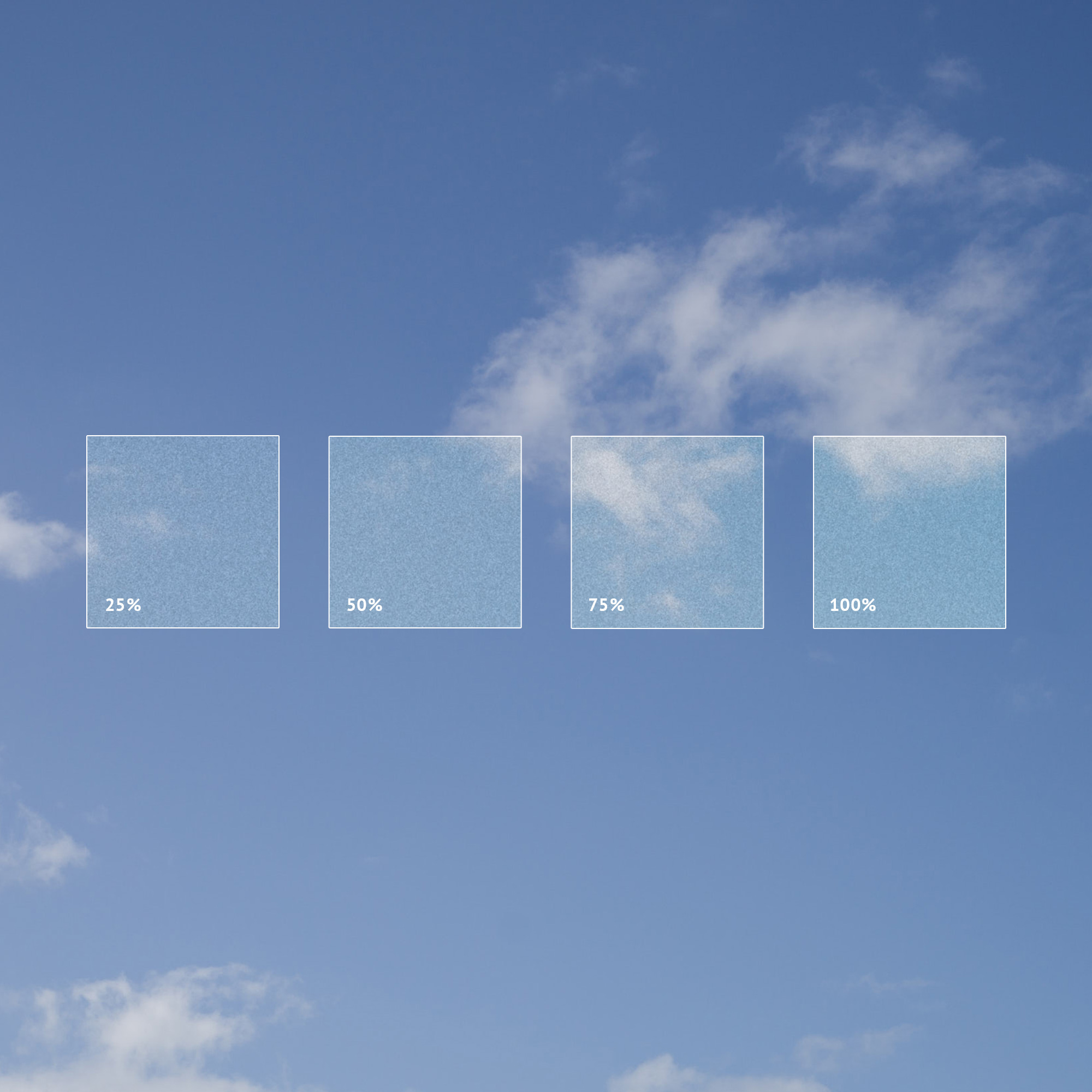
– 4 different strengths for each look
– Dedicated styles for Nikon & Sony and Fujifilm cameras
Yes. As long as your camera model is supported by your version of Capture One.
Yes. But you'll need to manually set your Fujifilm RAW curve to "Film Standard" prior to applying a style. Otherwise the style will take no effect.
It works very well for jpegs. The product includes dedicated styles profiled for jpeg/tiff images.
This product delivers some of the most beautiful and sophisticated film looks out there. However it has its limitations too:
1. You can't apply All Films 5 styles to Capture One layers. Because the product is based on ICC profiles, and Capture One does not allow applying ICC profiles to layers.
2. Unlike the Lightroom version, this product won't smartly prevent your highlights from clipping. So you have to take care of your highlights yourself, ideally by getting things right in camera.
3. When working with Fujifilm RAW, you'll need to set your curve to Film Standard prior to applying these styles. Otherwise the styles may take no effect.

1. Adobe Lightroom and Capture One versions of our products are sold separately in order to sustain our work. The exact product features may vary between the Adobe and Capture One versions, please check the product pages for full details. Some minor variation in the visual output between the two may occur, that's due to fundamental differences between the Adobe and Phase One rendering engines.
–
2. Film look generations are basically major revisions of our entire film library. Sometimes we have to rebuild our whole library of digital tools from the ground to address new technological opportunities or simply make it much better.